What Is a Bucky System in Radiography?
Author:
A bucky system in radiography is the complete assembly that positions the film cassette or digital detector, moves the anti-scatter grid during exposure, and holds everything at the correct distance from the X-ray tube. It is the part of the X-ray room that turns a raw beam of radiation into a sharp, readable image.
Components of a bucky system
A standard bucky system consists of four components:
1.Cassette holder (bucky tray) — the drawer that the film cassette slides into. It is sized for standard cassettes such as 14″ × 17″ or 17″ × 17″.
2.Anti-scatter grid — a lead-and-aluminum structure (typically 10:1 ratio, 103 lines/inch) that absorbs scattered radiation.
3.Reciprocating mechanism — moves the grid during exposure so its lines blur and do not appear on the image.
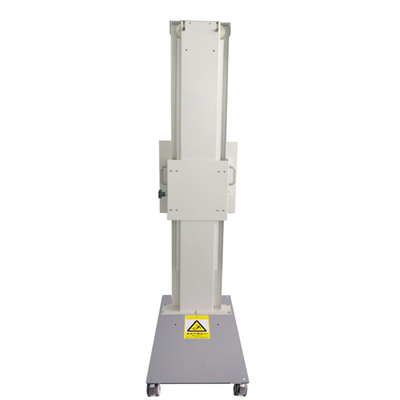
4.Stand or table — the structure that supports the tray. In a bucky system for chest radiography, this is the vertical bucky stand.
Types of bucky systems
Table bucky system — built into the examination table for supine patients.
Vertical (upright) bucky system — a bucky stand for standing patients, used for chest and spine views.
Wall-mounted bucky system — a vertical system fixed to the wall to save floor space.
Mobile bucky system — a vertical system on casters, moved between rooms.
Specifications of a typical vertical bucky system
Film box size: 480 × 550 mm (14″ × 17″)
Lifting range: 300–1600 mm
Grid: 10:1, 103 lines/inch, 180 cm focal length
Film box opening: 180°
AEC access: probe panel window included
Mounting: front or side loading

Why a good bucky system matters
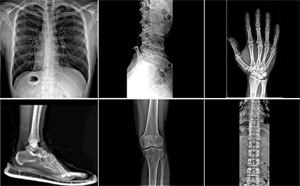
Image quality is the single most important factor in diagnosis. A well-built bucky system keeps the cassette steady, removes scattered radiation, and maintains a constant source-to-image distance — all of which reduce retakes and improve diagnostic confidence. For a busy radiology department, that means fewer repeat exposures and better patient throughput.
How to choose a bucky system
1.Match the film box size to your cassettes (14″ × 17″ is standard).
2.Check the grid ratio (10:1 is the medical standard).
3.Choose wall-mounted vs mobile based on your room layout.
4.Verify certification (ISO 13485, CE) for procurement requirements.
Frequently asked questions
Q: What is the difference between a bucky and a bucky system?
A bucky is the cassette-holding assembly; a bucky system includes the stand, the tray, the grid and the reciprocating mechanism working together.
Q: Does a bucky system work with DR detectors?
Yes. The tray can hold a flat panel detector, and the grid can be removed when using digital detectors that filter scatter internally.
Q: How much does a vertical bucky system cost?
Factory-direct prices vary by type and configuration. Contact Newheek at newheekaide@gmail.com for a quotation within 24 hours.
Related: Bucky Stand Configuration · Bucky in Radiology: Terminology Guide
