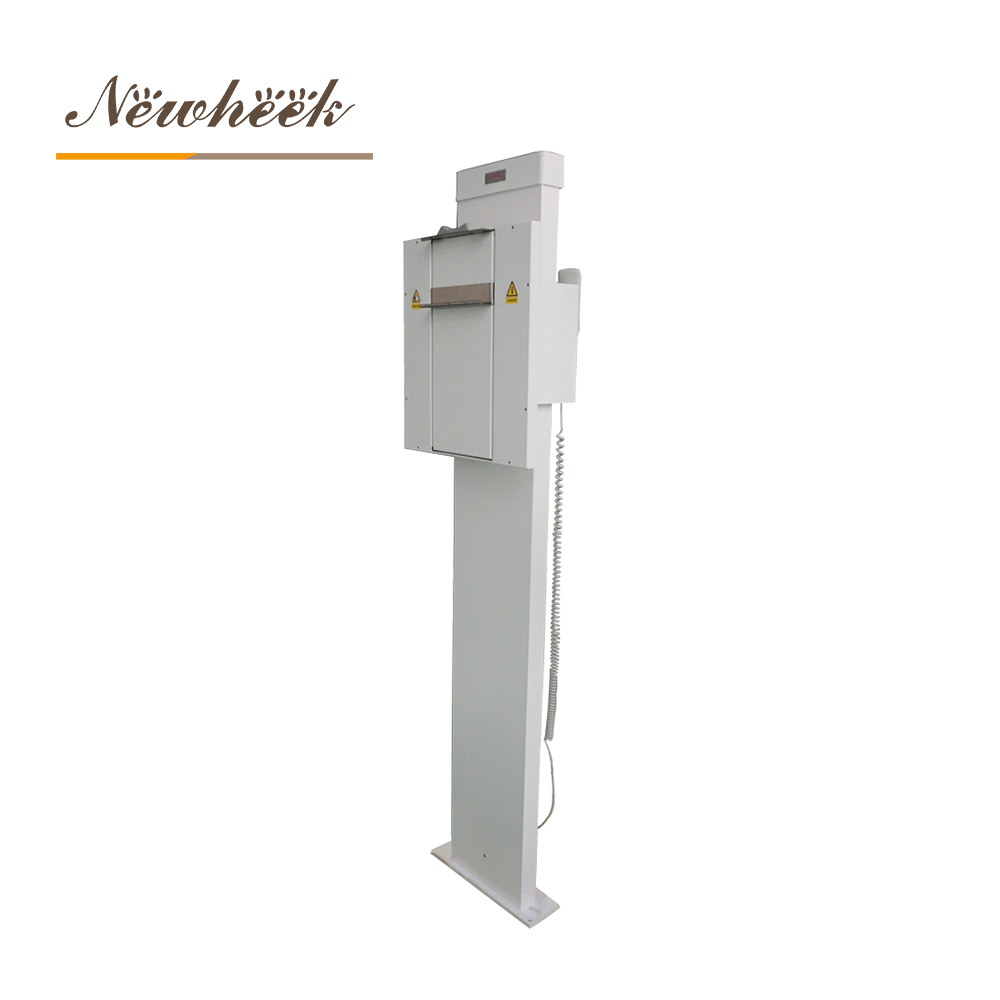
Guide to Load Capacity and Selection Criteria for Medical X-ray Chest Stands
Author:
Optimized Version: Analysis of Load Capacity and Selection Guide for Medical X-ray Chest Stands
In modern diagnostic imaging, the upright chest stand (commonly integrated with DR systems) is a fundamental component. Its stability and load-bearing capacity directly impact image quality and patient safety. This article analyzes how to scientifically select a medical X-ray chest stand based on load standards, structural design, and safety protocols.

1. Realistic Load Capacity Standards
The load capacity of a chest stand primarily refers to the structural integrity required to support the weight of the patient leaning against it and the internal detector (IP plate or Flat Panel Detector). The standard clinical load capacity ranges from 135 kg to 200 kg.
- Addressing Misconceptions: Conventional chest stands rated for 500 kg to 1000 kg do not exist. Excessively high figures often indicate false advertising or confusion with specifications for radiation shielding doors or operating tables.
- Procurement Advice: A capacity of 135 kg is sufficient for most patients in community clinics. For tertiary hospitals or regions with higher obesity rates, selecting a high-capacity model (150 kg–200 kg) is recommended to ensure long-term structural rigidity.
2. Structural Design and Materials
Load capacity is defined not just by numbers, but by structural mechanics.
- Material Selection: High-quality stands typically utilize high-strength aluminum alloy profiles or powder-coated carbon steel. Aluminum alloys offer a superior strength-to-weight ratio and corrosion resistance, making them the industry standard.
- Guidance Systems: Examine the lifting mechanism for the Bucky tray. Precision screw-driven or belt-driven systems offer greater stability than standard chain drives, preventing “head nodding” at height extremes and ensuring sharper images.
3. Patient Demographics and Adaptability
Beyond static load, dynamic stability is crucial.

- Special Populations: For geriatric or orthopedic departments, the equipment must feature excellent anti-tipping designs and cushioning. The stand should remain steady even when supporting patients with limited mobility.
- Detector Mobility: Considering varying patient heights (e.g., pediatric or wheelchair users), the stand should allow smooth vertical adjustment. Once positioned, it must lock securely to prevent drift caused by weight shifts.
4. Safety and Stability Features
Safety is non-negotiable in medical procurement. Key aspects include:
- Base Weighting & Fixation: Floor-mounted stands require substantial base weighting and secure floor anchors to prevent tipping during accidental collisions.
- Electromagnetic/Mechanical Braking: The detector tray must feature reliable electromagnetic brakes or mechanical locks at any height to prevent sudden drops due to gravity.
- Anti-Pinch Protection: Gaps in the moving structure should be fitted with guards to protect operators from finger injuries.
5. Manufacturer Qualifications and After-Sales Service
- Regulatory Compliance: Ensure the product possesses a valid Medical Device Registration Certificate, and verify that the specifications match the physical unit supplied.
- Service Response: As chest stands contain high-frequency moving parts (screws, motors), choose a brand offering 24-hour technical response and readily available spare parts to minimize downtime.
Summary
When procuring an X-ray chest stand, disregard misleading claims of excessive tonnage. Focus instead on a practical load capacity (around 150 kg), high-strength aluminum construction, and precision braking performance. By aligning these factors with your facility’s patient demographics and the vendor’s service capabilities, you can ensure the acquisition of safe, durable, and high-performing equipment.